
Skip to content

BlogDocumentation

What a certificate of recycling is, and what it is not

By CMR Team·Sep 10, 2026·4 min read

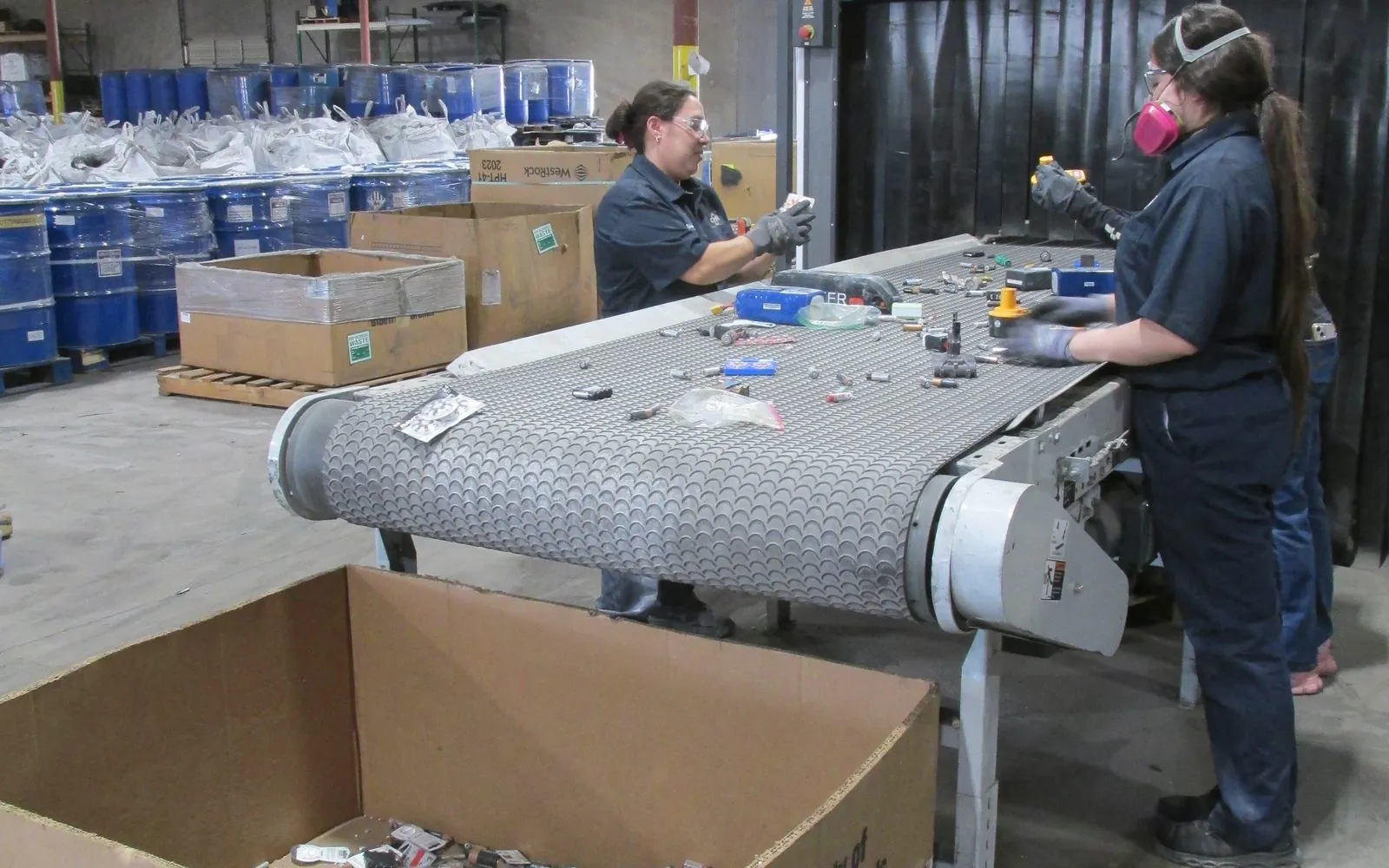
An operator working at the sorting line beside a labelled collection box

Customers ask for a certificate so they can show their own auditors, boards and customers that spent batteries were handled properly. It is a useful document. It is also narrower than people often assume, so it is worth being precise about what it covers.

What it covers

A certificate ties a specific load to a specific outcome. It records the receipt, the weight, the date, and the fact that the material was processed at our Phoenix facility rather than passed on somewhere else.

  • The receipt record assigned when the load was weighed in
  • Inbound weight and the date the load was received
  • That processing took place at 220 N 48th Ave, Phoenix
  • The recovered output streams the material was separated into

What it is not

A certificate is not an accreditation, and it is not a third party audit of our operation. It is our record of what we did with your material.

If a supplier offers you a certificate as proof of a certification, ask which body issued the certification and check it independently. The two are not the same thing.

We are also careful not to state a recovery figure for an individual load that we have not measured. Across processed loads we recover 85 to 95% of incoming material by weight, and that is the range we will put in writing.

How to request one

Ask at the point the load is arranged, or afterwards with the receipt record to hand. Quote the receipt number and we can pull the rest.

Need documentation for a load?

Send us the receipt record or the approximate date and weight, and we will put the paperwork together.

Contact us

Topics

  • Documentation
  • Chain of custody

Related articles

View all articles

Have a load of spent alkaline batteries?

Tell us the volume, the chemistry and where it is sitting. We will come back with pricing and freight guidance.