
Skip to content

BlogRecycling process

Why we sort by chemistry twice

By CMR Team·Sep 3, 2026·4 min read

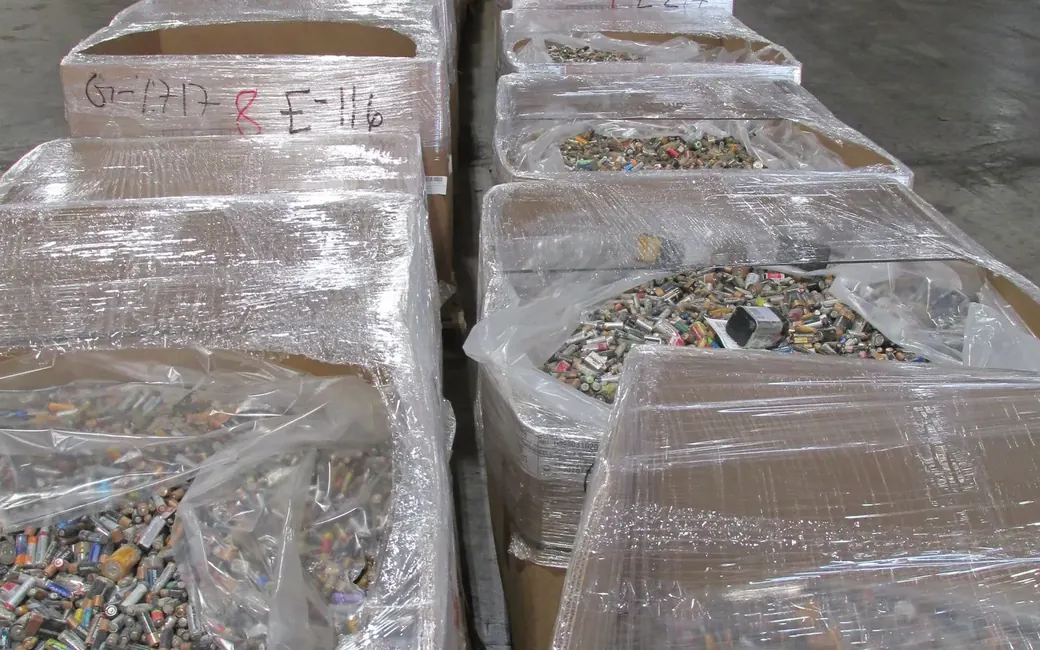
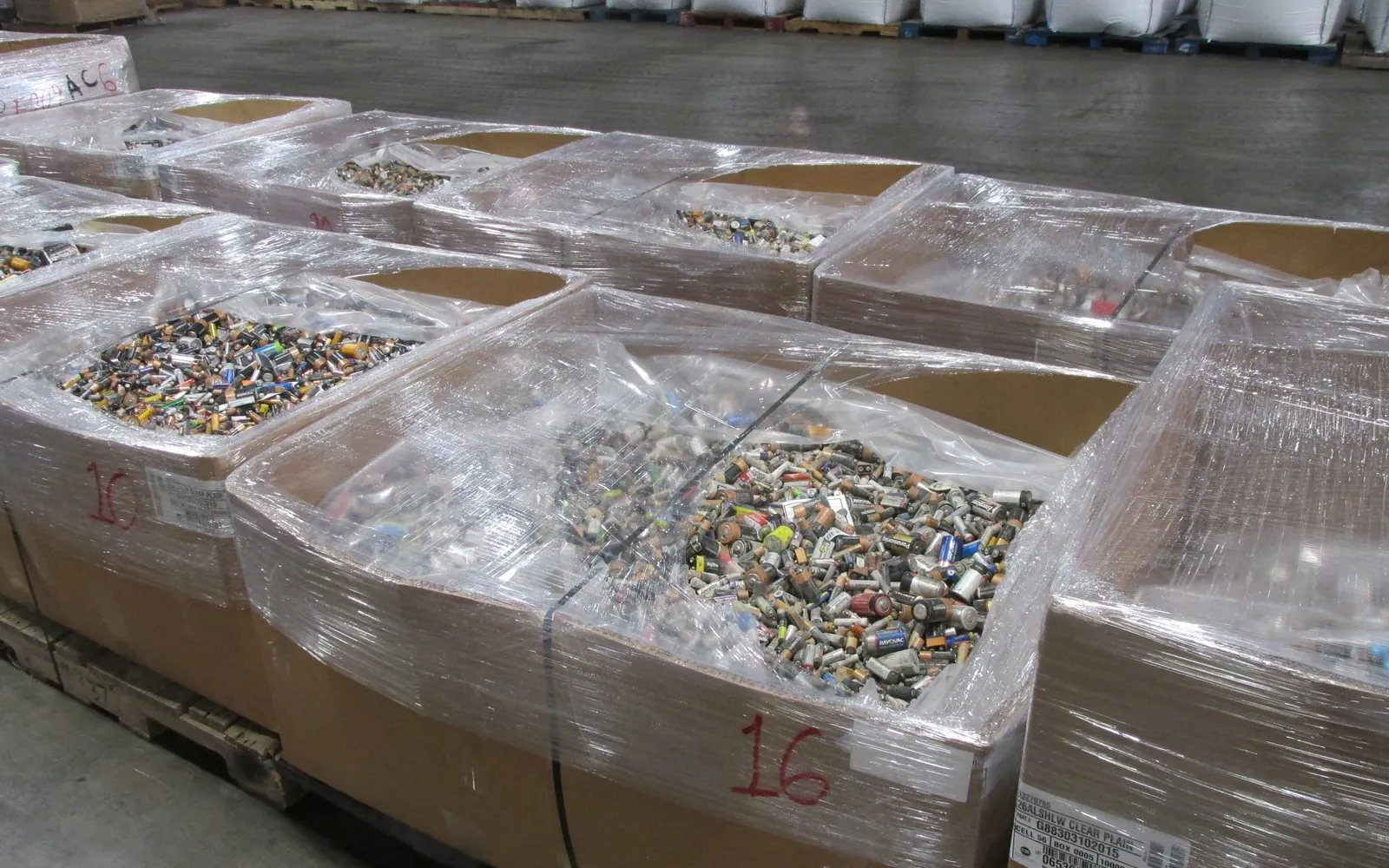
Pallets of sorted spent batteries wrapped and staged on the plant floor

Sorting is the slowest stage of our process and the one we are least willing to shorten. Every cell passes a human check and an automated check before it reaches size reduction.

The hand pass

The first pass is visual. Operators pull anything that is obviously not alkaline, along with anything swollen, leaking or physically damaged, before the stream moves on.

Collection bins out in the world are rarely as clean as the label on the front suggests. A mixed bin is normal, not a failure, and we would rather catch it here.

The automated pass

The second pass is an automated x ray based sorting system that identifies cell chemistry as material passes. It catches what the eye cannot: cells in sleeves, cells in the wrong housing, and chemistries that look identical from outside.

A single lithium cell in a shredder is a fire. Two passes cost us time. One pass could cost us the plant.

What this means for your load

You do not need to sort to the standard we sort to. You do need to keep the chemistries we cannot process out of the load, and to protect terminals so nothing can short in transit.

  • Alkaline AA, AAA, C, D and 9 volt cells are what we process
  • Lithium ion, lithium metal, NiMH, NiCd and lead acid need a different process
  • Damaged, swollen or leaking cells need separate handling, so contact us first

Topics

  • Recycling process
  • Safety

Related articles

View all articles

Have a load of spent alkaline batteries?

Tell us the volume, the chemistry and where it is sitting. We will come back with pricing and freight guidance.