
Skip to content
Spent alkaline batteries awaiting recycling at CMR's Phoenix facility

Bulk Alkaline Battery Recycling at One Phoenix Facility

CMR receives and processes spent alkaline batteries at its Phoenix, Arizona facility. We sort batteries by chemistry, mechanically process accepted cells, and separate the material into zinc-manganese concentrate, steel, and brass. Each load is weighed and logged on arrival, with a receipt record that follows the material through the plant.

17,540,000lbs

Spent alkaline batteries received and processed at our Phoenix facility. Updated daily.

85 to 95%

Of incoming material recovered as marketable product by weight.

Since 2023

Specializing in alkaline battery recycling.

1 Facility

Receiving and processing in Phoenix, Arizona.

Where do you fit?

Two ways to send us batteries

CMR primarily handles bulk alkaline battery loads from collectors, processors, and program partners. For organizations collecting smaller quantities, our mail-back recycling program is in development.

Bulk and truckload recycling

For collectors, processors and program partners

Have spent alkaline batteries from a collection program, transfer station, retail take-back operation, or another recycling facility? We can review different load sizes, with the best pricing generally available on full truckloads of approximately 30,000 to 45,000 lbs. Customers arrange inbound freight through third-party carriers, or we provide commercial pickup at an additional cost.
Mail-back recycling kits

For offices, retailers and municipalities

Collecting smaller quantities of spent alkaline batteries? CMR is developing prepaid boxes and buckets that organizations can fill and send to our Phoenix facility. The kits are not yet available to order. Register your interest to receive updates as the program moves toward launch.

Our process

Four stages, one Phoenix facility

Every load moves through a defined process at our Phoenix facility. From receiving and recording to chemistry sorting, size reduction, and material separation, each stage supports the controlled handling and recovery of accepted alkaline batteries.

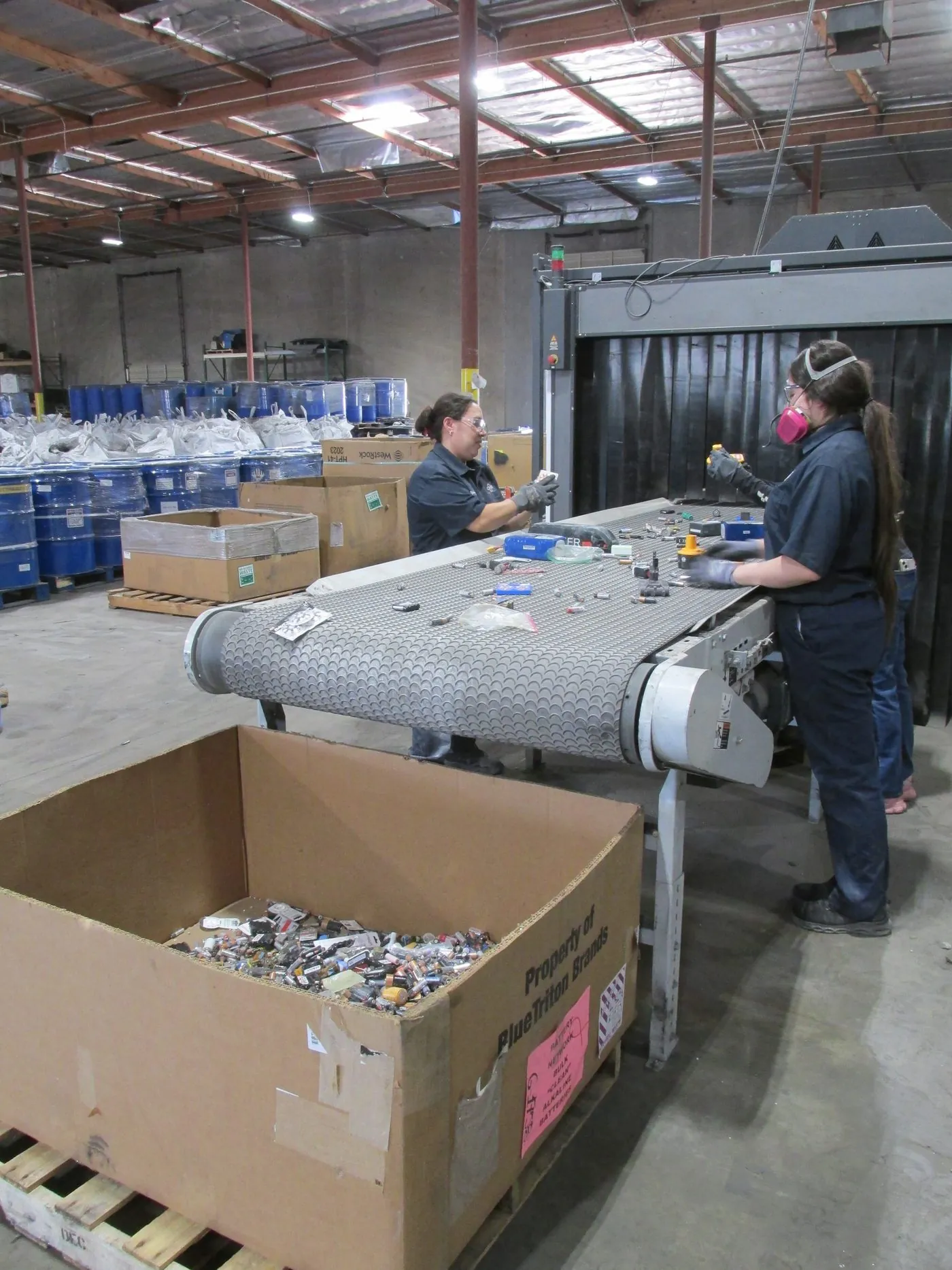
Spent alkaline batteries travelling along the sorting line at the Phoenix facility
  • Inbound loads arrive through customer-arranged third-party freight. We weigh and log each load and assign a receipt record that follows the material through the plant.

  • Material is sorted by chemistry using automated X-ray and/or hand sorting. Batteries outside our accepted material list are removed before processing.

  • Accepted alkaline batteries undergo mechanical size reduction. This opens the cells and allows the internal material to be separated from the steel and brass components.

  • The processed material is separated into zinc-manganese concentrate, steel, brass and a small residual fraction. Each stream is collected separately as part of the material recovery process.

See the Full Process

What comes out

Recovered materials from alkaline batteries

CMR separates spent alkaline batteries into three principal recovered material streams: zinc-manganese concentrate, steel and brass. Across a processed load, 85 to 95% of incoming material by weight is recovered as marketable product.

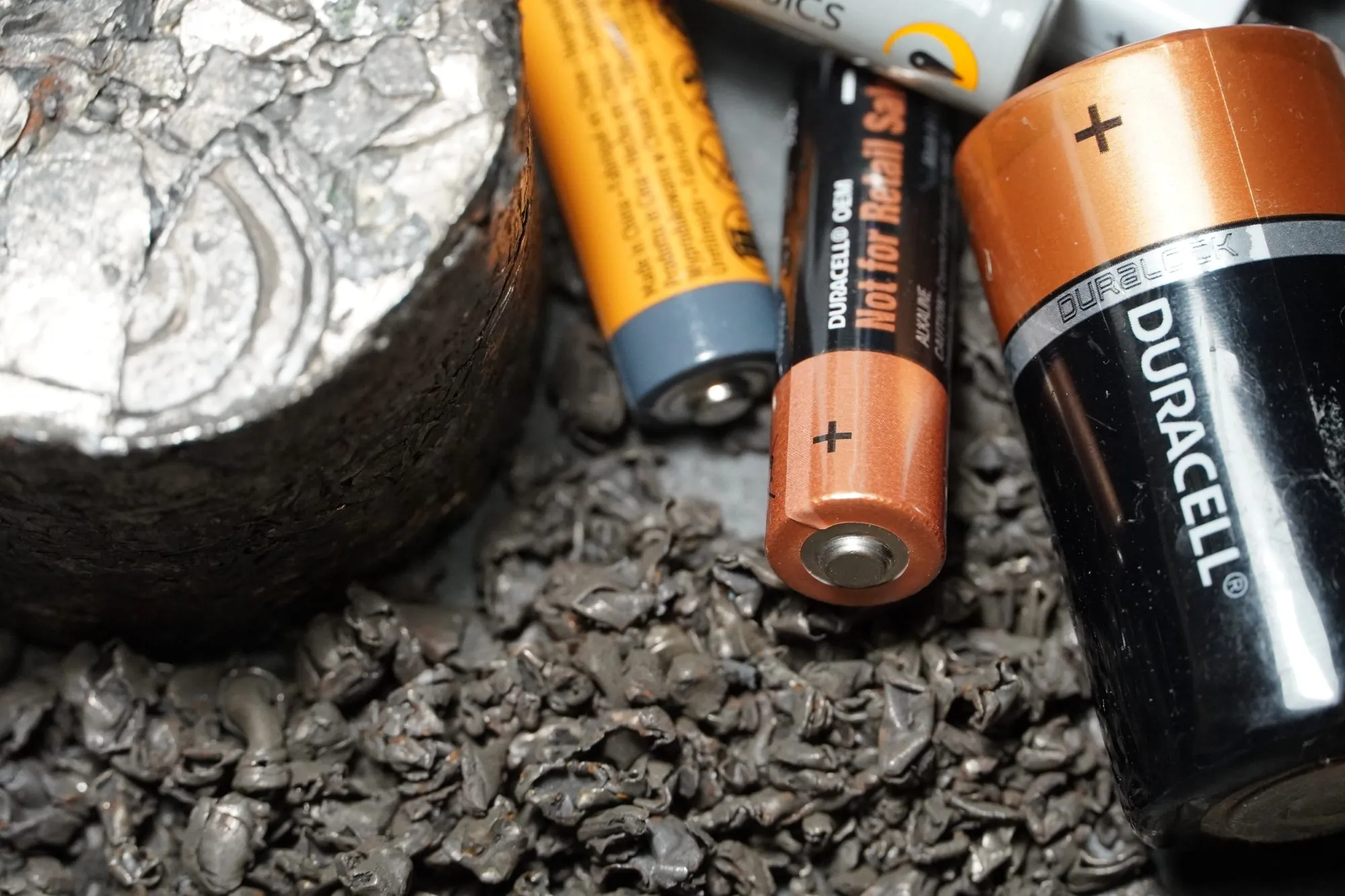
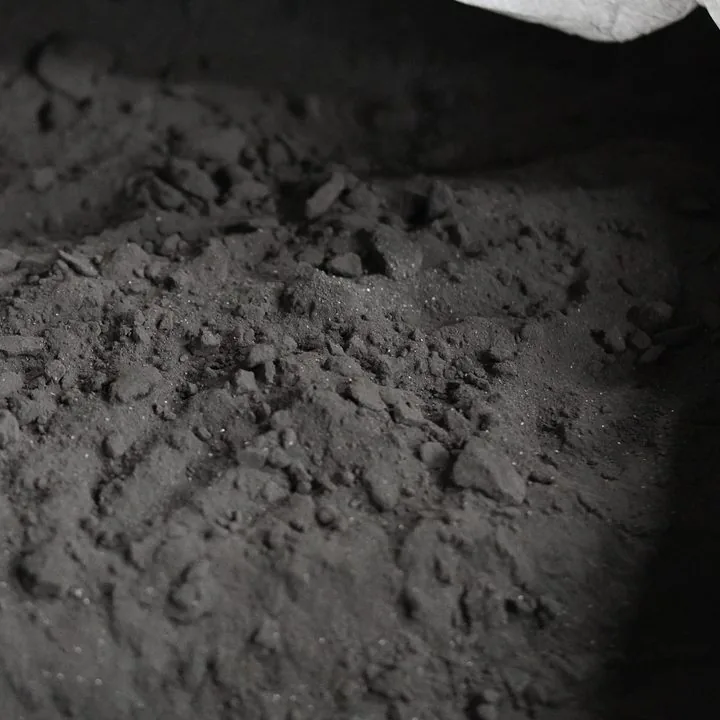
Recovered black mass, a fine zinc and manganese bearing concentrate

Black mass

Zinc-manganese concentrate

The primary recovered material is a fine concentrate containing zinc and manganese from inside the battery cells.

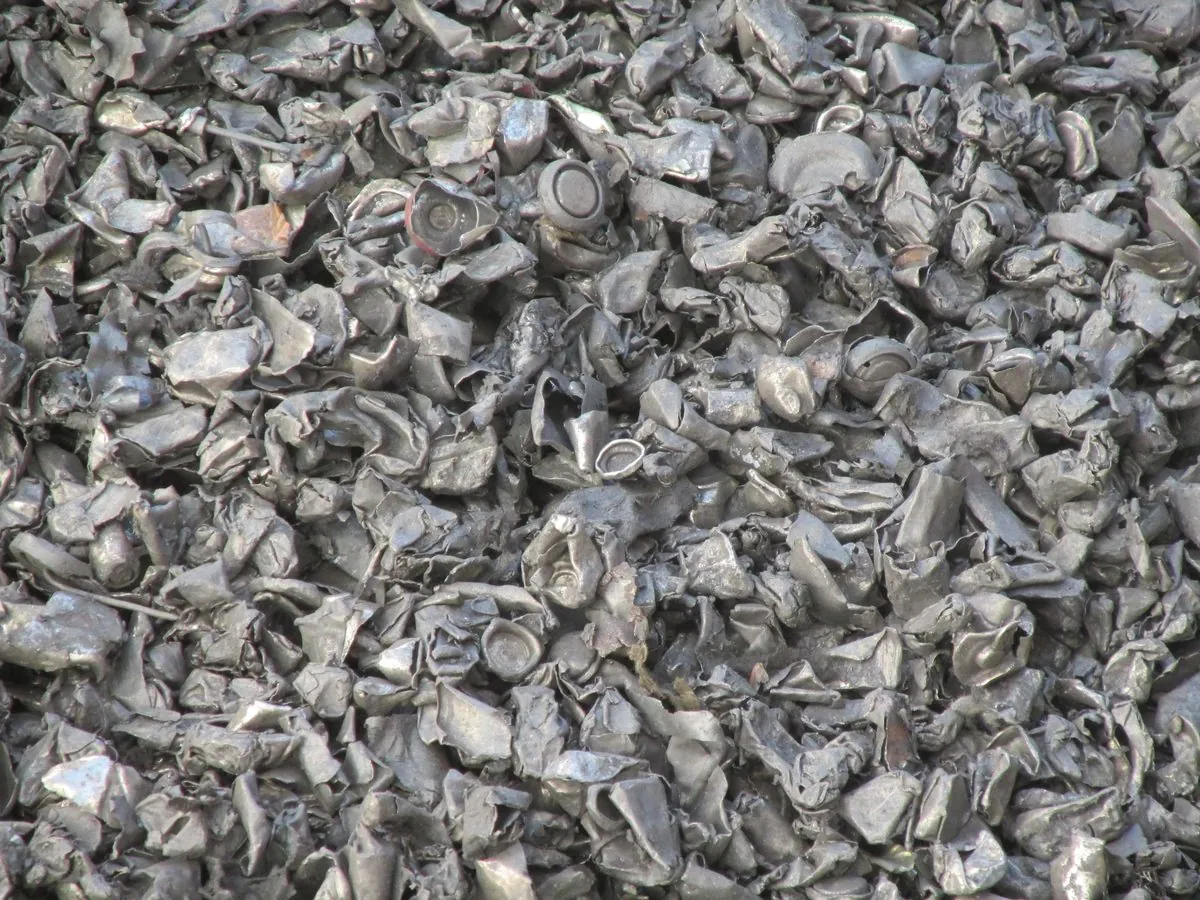
Shredded scrap steel recovered from alkaline battery casings

Scrap ferrous

Steel cans and casings

Steel casings are separated from the processed battery stream and collected as ferrous scrap.

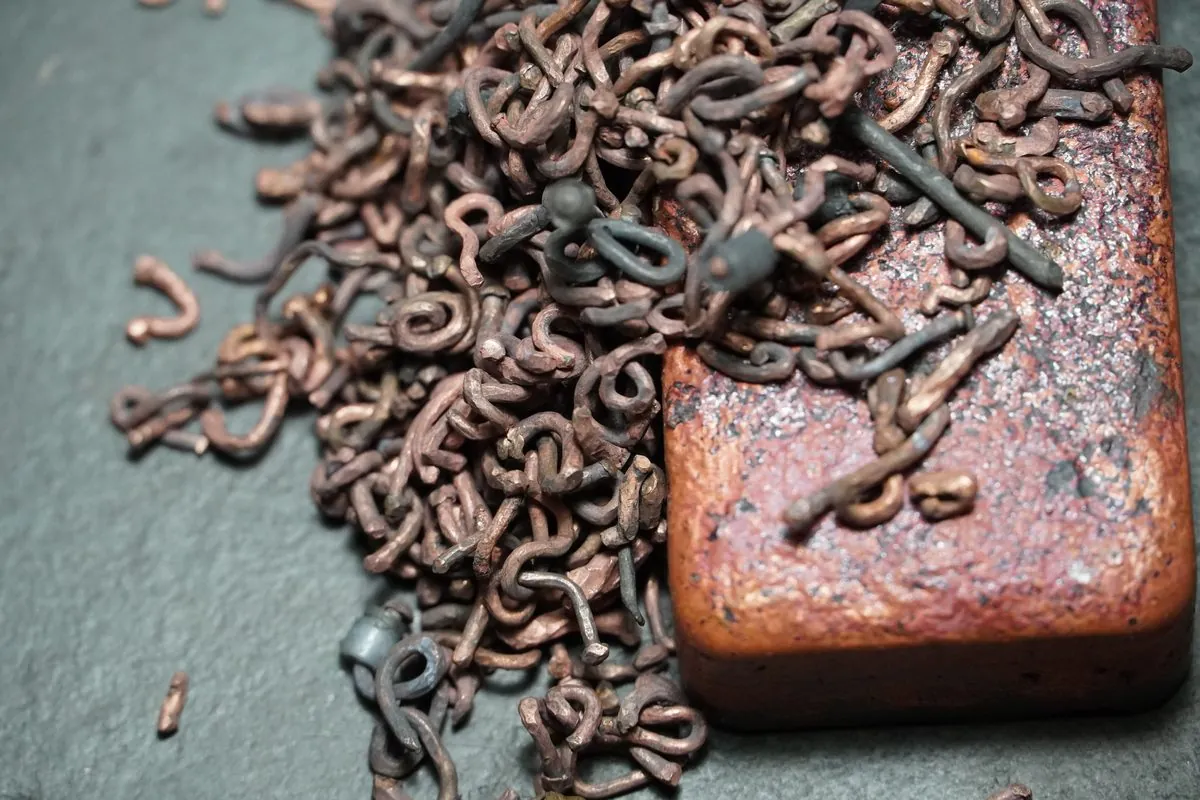
Recovered brass current collectors

Brass

Current collectors

Brass components are separated during processing and collected as a non-ferrous material.

Common questions

Common questions about bulk battery recycling

What volumes of alkaline batteries does CMR accept?

CMR can review different load sizes and has no hard minimum. Pricing is generally best on full truckloads of approximately 30,000 to 45,000 lbs. Smaller and recurring loads are worth discussing.

Who arranges transportation?

Customers generally arrange inbound freight through third-party carriers. Share your estimated load size, material type, packaging, and location so CMR can confirm the requirements before shipment.

What documentation does CMR provide?

Each load is weighed and logged on arrival. Once processed, a certificate of recycling can be provided as needed.

Have a load of spent alkaline batteries?

Tell us how much material you have, what type of batteries it contains, and where it is located. CMR will review your load, provide processing pricing, and explain your freight options before you ship.